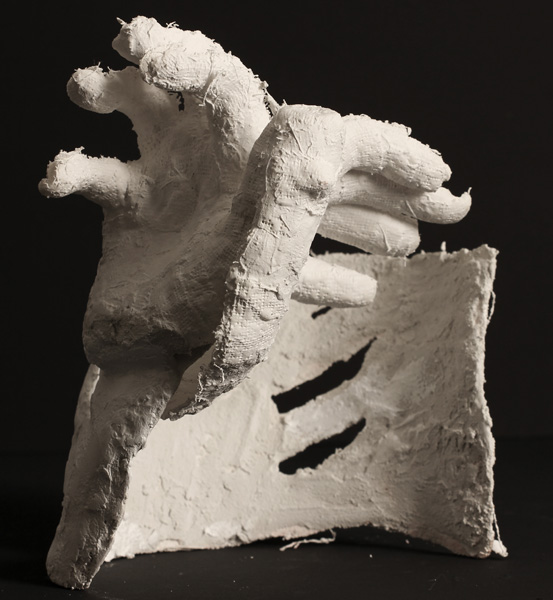
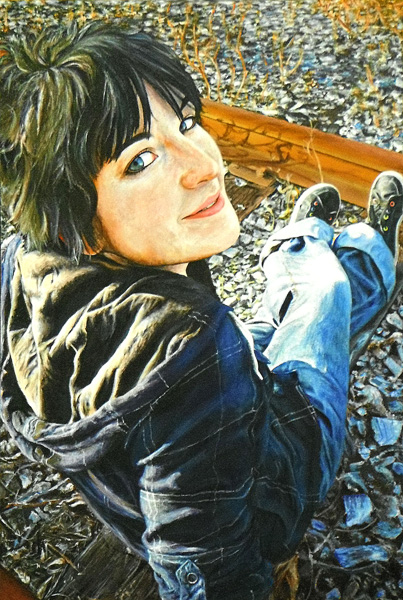
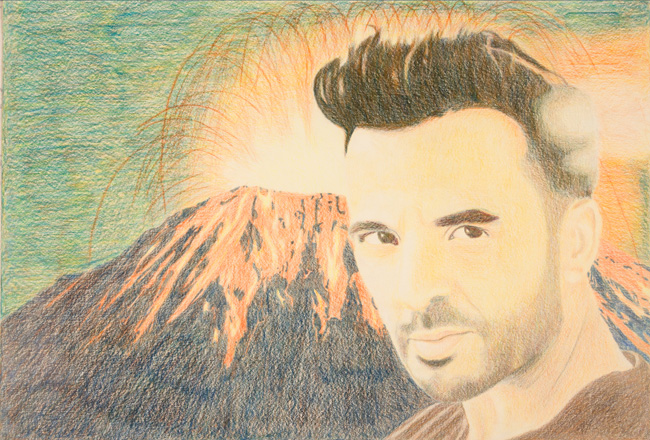
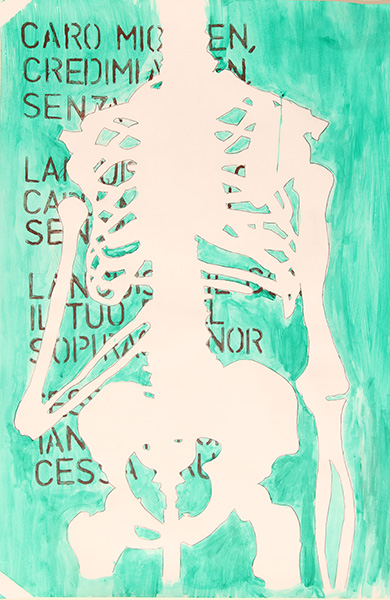
Artistic body casting is a sculptural technique that involves creating a mold of a person’s body or body parts and then using that mold to produce a detailed replica. This process captures the exact shape, texture, and intricate details of the body, resulting in highly realistic and often lifelike sculptures.
Process of Artistic Body Casting:
- Preparation: The model’s skin is cleaned and sometimes coated with a release agent to prevent the mold materials from sticking.
- Molding:
- Alginate: A common material used for molding because it is skin-safe and captures fine details. It is applied to the body part in a thick paste and quickly sets.
- Plaster Bandages: These are applied over the alginate to provide a rigid support shell for the flexible mold.
- Casting:
- Removal: Once the mold materials have set, they are carefully removed from the body.
- Positive Mold Creation: The negative mold is filled with a casting material, such as plaster, resin, or other suitable substances, to create a positive sculpture.
- Finishing: The cast is removed from the mold, and any imperfections are corrected. The sculpture can then be painted or finished to enhance its realism or artistic effect.
Applications of Artistic Body Casting:
- Fine Art: Artists create detailed and expressive sculptures that capture the human form in various poses and expressions.
- Medical and Scientific: Used to create anatomical models for education and research.
- Special Effects: In film and theater, body casts are used to create lifelike prosthetics and special effects.
- Memorials and Keepsakes: Parents may make casts of their children’s hands or feet as mementos.
Benefits and Challenges:
Benefits:
- Highly detailed and realistic representations of the human body.
- Versatile applications in art, education, and entertainment.
Challenges:
- Requires skill and experience to create accurate and high-quality casts.
- The process can be time-consuming and requires careful handling to avoid damaging the mold or cast.
Artistic body casting is a unique blend of art and science, capturing the human form in a way that few other techniques can achieve.